
When it comes to achieving weight loss goals, zero calorie foods can be an indispensable part of your diet. These foods not only provide essential nutrients but also help in managing your calorie intake effectively. In this article, we will delve into 21 zero calorie foods that are particularly beneficial for Indian consumers looking to shed some pounds.
Zero calorie foods are those that require more energy to digest than the calories they provide. This concept, known as the thermic effect of food, means that these foods can effectively aid in weight loss by boosting your metabolism and keeping you satiated without adding extra calories.
Cucumbers are incredibly low in calories but high in water content, making them perfect for hydration and weight management. With only 16 calories per 100 grams, cucumbers are an excellent choice for salads and snacks. They also contain antioxidants and vitamins that support overall health.

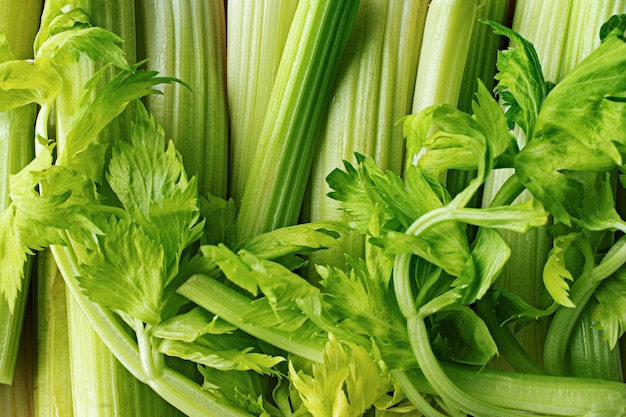
Celery is a well-known zero-calorie food with only 14 calories per 100 grams. It’s rich in dietary fiber, which helps in digestion and keeps you full for longer. Celery can be added to soups, salads, or enjoyed on its own with a low-calorie dip.
Spinach, with just 23 calories per 100 grams, is packed with vitamins A, C, and K, as well as iron and calcium. This leafy green is versatile and can be used in salads, smoothies, or cooked dishes. Spinach aids in digestion and helps in weight management.

Zucchini contains only 17 calories per 100 grams and is an excellent source of antioxidants and vitamins. Its mild flavor makes it a great addition to a variety of dishes, from stir-fries to soups and salads.

Tomatoes are low in calories, with approximately 18 calories per 100 grams. They are rich in vitamins C and K, and antioxidants like lycopene, which is beneficial for heart health. Enjoy tomatoes in salads, soups, or as a fresh snack.

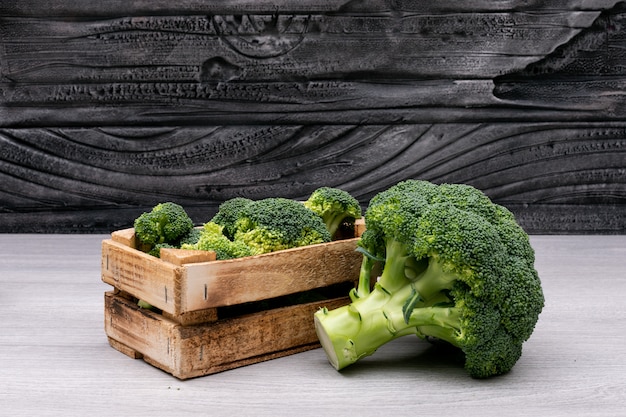
Broccoli has just 34 calories per 100 grams and is a powerhouse of vitamins C and K, fiber, and antioxidants. It supports weight loss by keeping you full and aiding in digestion. Broccoli can be steamed, roasted, or added to various dishes.
With only 25 calories per 100 grams, cauliflower is an excellent substitute for higher-calorie ingredients like rice and potatoes. It’s rich in fiber and vitamins C and K, making it a valuable addition to any weight-loss diet.

Green beans contain about 31 calories per 100 grams and are a good source of protein and fiber. They help in controlling hunger and support healthy digestion. Enjoy green beans steamed, stir-fried, or in salads.

Bell peppers have approximately 20 calories per 100 grams and are rich in vitamins A and C. They add vibrant color and crunch to dishes, making them an excellent choice for salads, stir-fries, and snacks.

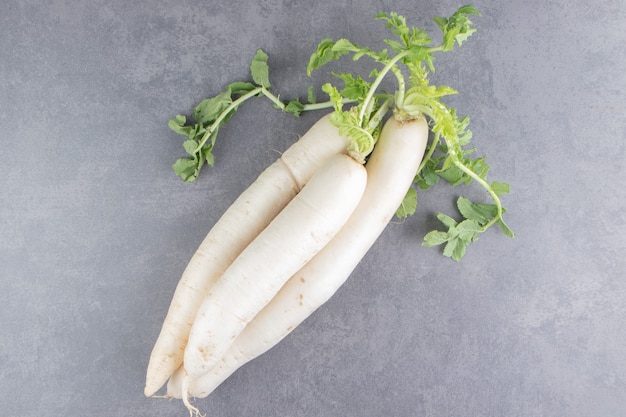
Radishes contain only 16 calories per 100 grams and are a great source of vitamin C and potassium. Their spicy flavor can add a kick to salads and other dishes, while their low-calorie content supports weight loss.
Asparagus has about 20 calories per 100 grams and is packed with vitamins A, C, E, and K. It also contains antioxidants that support overall health. Asparagus can be enjoyed grilled, steamed, or added to salads.
Watermelon, with just 30 calories per 100 grams, is incredibly hydrating and low in calories. It’s a great option for a refreshing snack or dessert. Watermelon also provides essential vitamins and antioxidants.

Strawberries contain only 32 calories per 100 grams and are packed with vitamin C and antioxidants. They make a delightful addition to salads, smoothies, or as a standalone snack.

Grapefruit has about 42 calories per 100 grams and is known for its fat-burning properties. Rich in vitamin C and antioxidants, grapefruit supports weight loss and overall health. Enjoy it fresh or in fruit salads.

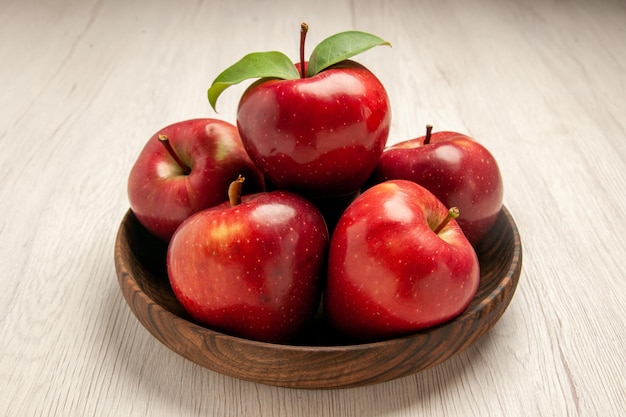
Apples contain approximately 52 calories per 100 grams and are a good source of fiber, which helps in controlling hunger. They can be eaten raw, added to salads, or used in healthy recipes.
Oranges have about 47 calories per 100 grams and are rich in vitamin C. They help boost immunity and support weight loss by keeping you full. Oranges can be enjoyed fresh or as part of fruit salads and juices.

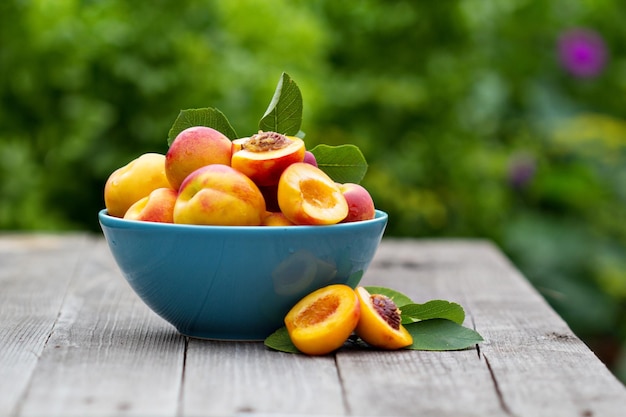
Peaches contain approximately 39 calories per 100 grams and are rich in vitamins A and C. They are perfect for a healthy snack or can be added to salads and desserts.
Raspberries have around 52 calories per 100 grams and are high in fiber and antioxidants. They support weight loss and overall health. Enjoy raspberries in smoothies, salads, or as a topping for yogurt.

Blueberries contain about 57 calories per 100 grams and are packed with antioxidants, vitamins, and fiber. They can help in weight management and are a great addition to cereals, smoothies, or salads.

Kiwi has approximately 61 calories per 100 grams and is rich in vitamin C, vitamin K, and fiber. This tangy fruit supports digestion and can be enjoyed fresh or added to fruit salads.

Lemons contain only 29 calories per 100 grams and are an excellent source of vitamin C. They can enhance the flavor of dishes without adding extra calories. Use lemons in dressings, marinades, or as a refreshing drink.
Incorporating zero calorie foods into your diet can be an effective strategy for weight loss while ensuring you receive essential nutrients. By including these 21 foods in your daily meals, you can stay on track with your weight loss goals while enjoying a variety of flavors and textures.
Zero-calorie foods are those that require more energy to digest than the calories they provide, making them beneficial for weight loss.
Yes, they can help manage calorie intake and boost metabolism, aiding in weight loss.
Incorporate them into salads, snacks, smoothies, and main dishes to enhance flavor and stay full.
Yes, many zero-calorie foods are rich in essential nutrients, vitamins, and minerals.
While they are low in calories, it’s essential to maintain a balanced diet and eat them in moderation.