Liquid Diet For Weight Loss With 7 Days Diet Meal Plan
Embarking on a weight loss journey can be daunting, especially with the myriad of diet plans available. For those seeking a unique and efficient route to shedding pounds, a liquid diet might be an intriguing option. This article delves into the world of liquid diet for weight loss, highlighting their benefits, potential drawbacks, and providing a comprehensive 7-day diet meal plan to get you started.
Liquid Diet for Weight Loss
What Does Liquid Diet Mean For Weight Loss?
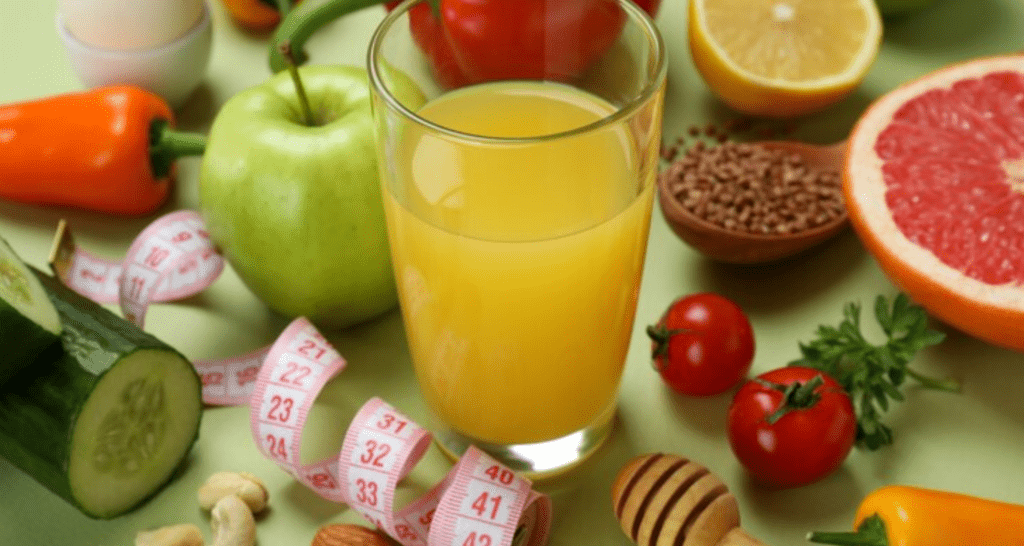
A liquid diet involves replacing your solid meals with liquids. These can include juices, soups, smoothies, and protein shakes. The principle behind a liquid diet is simple: consume fewer calories by drinking your meals. This approach is not just about reducing caloric intake; it’s also aimed at detoxifying the body and boosting metabolism through a carefully selected intake of liquids.
Do Liquid Diets Work For Weight Loss?
Yes, liquid diets can be effective for weight loss. By significantly reducing your calorie intake, liquid diets can prompt your body to use stored fat as fuel. It’s important, however, to approach this diet correctly to ensure it’s sustainable and healthy. Incorporating a balance of nutrients and not solely relying on a liquid diet for extended periods is crucial.
Types Of Liquid Diet For Weight Loss
Full Liquid Diet: This diet is broader than others, allowing for all liquids and foods that turn to liquid at room temperature. Ideal for individuals transitioning from a clear liquid to a regular diet, it includes milk, soups, honey, and puddings.
Clear Liquid Diet: This is the most restrictive, permitting only transparent liquids that leave no residue in the digestive tract. It’s often recommended for medical purposes, such as preparing for a colonoscopy. Water, broth, and clear juices fall under this category.
Meal Replacement Liquid Diet: A practical approach for weight loss, this diet involves replacing one or two daily meals with liquid alternatives like smoothies or shakes. It’s designed for busy lifestyles, aiming to maintain nutritional balance while reducing calorie intake.
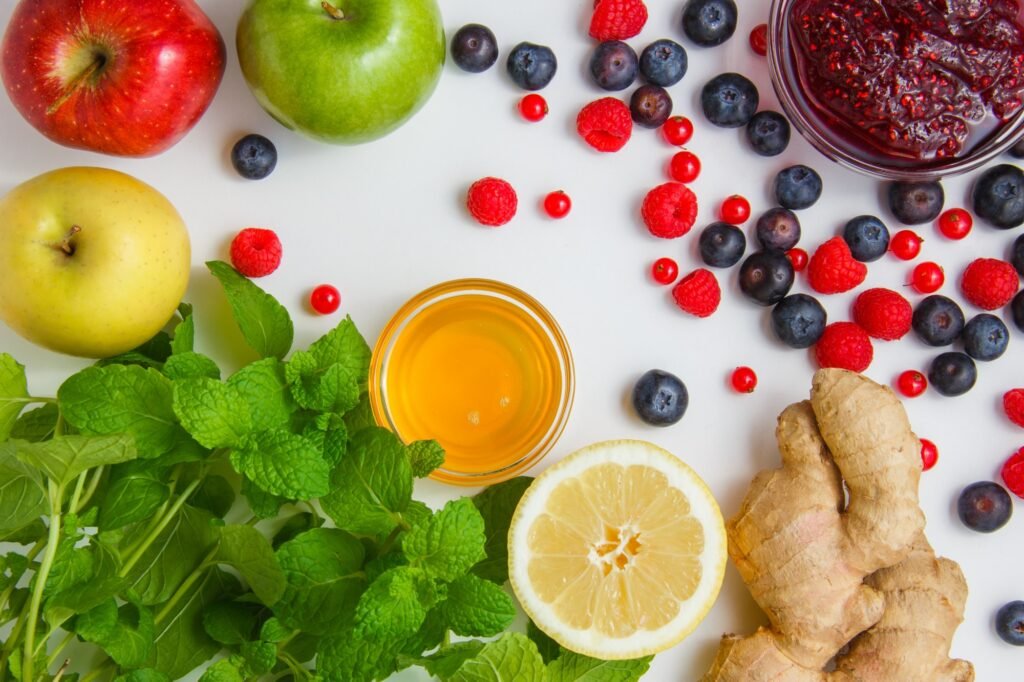
Detox Liquid Diet: Targeted at removing toxins from the body, this diet includes a range of detoxifying beverages like green smoothies and herbal teas. It’s often short-term, focusing on improving health and kickstarting weight loss.
Low In Calories: Liquid diets can significantly reduce caloric intake, which is crucial for weight loss. By substituting solid meals with liquid alternatives, you’re likely to consume fewer calories, leading to a calorie deficit and, subsequently, weight loss.
Boost Hydration: A liquid diet naturally increases your fluid intake, ensuring your body is well-hydrated. This can improve skin health, aid kidney function, and enhance the body’s overall ability to eliminate waste.
Enhance Metabolism: By providing your body with a break from processing solid foods, a liquid diet can reset your metabolism, potentially making it more efficient. This can lead to better energy utilization and more effective weight management in the long run.
Detoxification: Liquid diets support the body’s natural detoxification processes by simplifying digestion and allowing the organs to focus on eliminating toxins. This can result in improved energy levels and a healthier complexion.
Digestive Rest: Liquids are easier to digest than solid foods, providing a period of rest for your digestive system. This can be particularly beneficial for individuals with digestive issues, allowing the gut to heal and recover.
How Long Can You Stay On A Liquid Diet?
It’s advisable not to stay on a strict liquid diet for more than a week without professional guidance. For sustainable weight loss, integrating solid foods alongside liquid meals is recommended after the initial period.
Best Detox Liquid Diet Chart For Weight Loss
Here’s a 7-day liquid diet meal plan designed for weight loss:
Warm Lemon Water/Amla Juice/Jeera Water/Ginger Tea: Kickstarts metabolism and supports digestion first thing in the morning.
Green Detox Smoothie/Berry Protein Smoothie: Packed with fiber and antioxidants, these smoothies offer a nutritious breakfast that keeps you full.
Coconut Water/Herbal Tea/Fresh Fruit Juice: These mid-morning drinks keep you hydrated and flush out toxins.
Vegetable Broth/Lentil Soup/Carrot Ginger Soup: Light yet nourishing lunch options that provide essential nutrients without overburdening the digestive system.
Aloe Vera Juice/Wheatgrass Shot/Ginger Lemon Detox Drink: Afternoon snacks that help further detoxify your body and provide a burst of energy.
Almond/Cashew/Rice/Soy/Oat/Quinoa/Hemp Milk-Based Drinks: Dinner options that are light on the stomach yet satisfying, aiding in overnight digestion and metabolism.
Chamomile/Peppermint/Valerian Root/Lavender Tea: Before-bed teas that promote relaxation and better sleep quality, crucial for effective detoxification and weight loss.
Do’s And Don’t For A Liquid Diet
Do’s
Consult a Professional: Before starting a liquid diet, consult with a healthcare provider or a dietitian to ensure it’s suitable for your health needs.
Ensure Nutritional Balance: Choose liquids that provide a balance of macronutrients (proteins, fats, carbohydrates) and essential micronutrients (vitamins and minerals) to avoid deficiencies.
Stay Hydrated: While on a liquid diet, prioritize water intake alongside other liquids to maintain optimal hydration levels.
Monitor Your Portions: Even liquid meals can be high in calories, especially if they contain sugars and fats. Be mindful of portion sizes to maintain a calorie deficit for weight loss.
Ease Into Transition: Gradually transition to solid foods after completing the liquid diet to avoid digestive discomfort and maintain the benefits achieved.
Don’ts
Overlook Solid Food Benefits: Remember that solid foods provide dietary fiber and other nutrients essential for gut health and satiety. Don’t rely solely on a liquid diet long-term.
Ignore Hunger Signals: Listen to your body. If you’re feeling hungry on a liquid diet, consider adding more protein-rich drinks or smoothies to keep you satiated.
Neglect Variety: Consuming a wide range of liquids can prevent nutrient deficiencies and make the diet more enjoyable.
Skip Meals: Regular intake is crucial even on a liquid diet to ensure steady energy levels and prevent binge eating when transitioning back to solid foods.
Underestimate Sugar Content: Be wary of the sugar content in juices and some commercial meal replacement shakes. Opt for low-sugar, high-protein options instead.
Liquid Diet Risks
While beneficial for short-term weight loss, liquid diets can lead to nutritional deficiencies if not carefully planned. It’s essential to ensure that your liquid diet includes a wide range of nutrients to avoid adverse health effects.
Liquid Diets Are Not For Everyone
People with certain health conditions, dietary restrictions, or nutritional needs should approach liquid diets with caution. Consulting with a healthcare professional is critical before starting any new diet plan.
Conclusion
A liquid diet can be a powerful tool for weight loss and body detoxification when done correctly and for a limited time. By following the provided 7-day meal plan and adhering to the do’s and don’ts, you can embark on this journey safely and effectively. Always remember, the key to lasting weight loss and health is balance and moderation.
FAQs – Liquid Diet for Weight Loss
What is a liquid diet for weight loss?
A liquid diet for weight loss replaces solid meals with liquids like smoothies, soups, juices, and protein shakes to reduce calorie intake.
Does a liquid diet really help with weight loss?
Yes, liquid diets can promote short-term weight loss by creating a calorie deficit, but they should be followed carefully.
How long can I follow a liquid diet safely?
A strict liquid diet should not be followed for more than 7 days without medical supervision.
Is a liquid diet safe for everyone?
No, people with medical conditions, pregnancy, or nutritional deficiencies should consult a healthcare professional first.