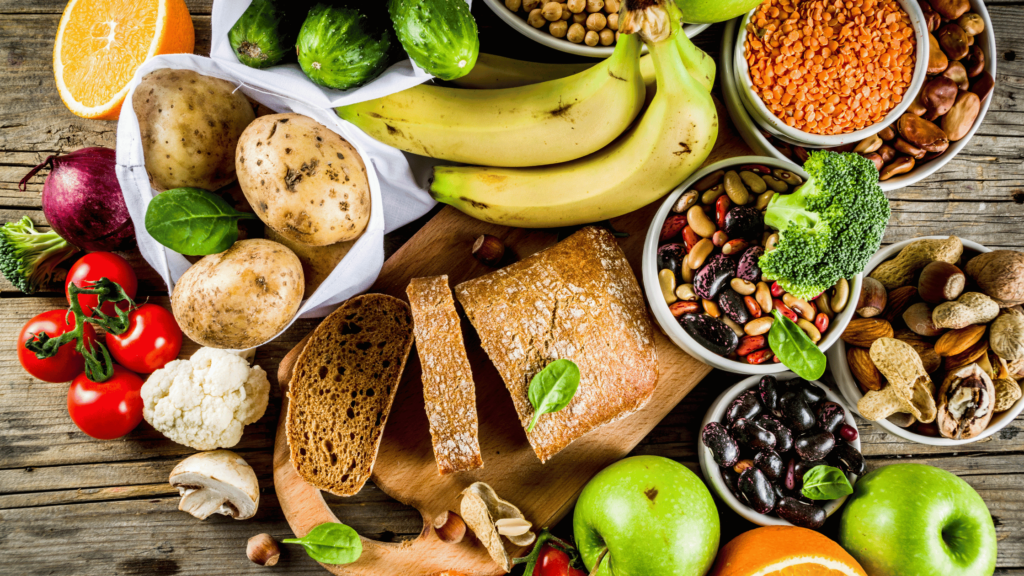

Incorporating fiber rich foods into your diet is essential for maintaining optimal health and supporting digestion. Fiber aids in digestive health, helps manage weight, and can lower the risk of chronic diseases. For Indian consumers seeking to improve their diet with fiber-rich options, here’s a comprehensive guide to the best foods that are high in dietary fiber.
Whole grains are an excellent source of dietary fiber and essential nutrients. Unlike refined grains, whole grains retain their bran, germ, and endosperm, providing a higher fiber content. Key examples include:
With approximately 10 grams of fiber per 100 grams, oats are highly beneficial for digestive health. They are versatile and can be used in breakfasts like oatmeal or added to smoothies and baked goods.

A staple in Indian cuisine, brown rice contains about 3.5 grams of fiber per 100 grams. It’s a great alternative to white rice and supports better digestion.

This superfood offers around 2.8 grams of fiber per 100 grams and is rich in protein, making it a nutritious addition to salads and side dishes.

Legumes are an excellent source of fiber and protein, making them a valuable component of a balanced diet. They are particularly beneficial for vegetarians and those looking to increase their fiber intake. Key legumes include:
Providing approximately 8 grams of fiber per 100 grams, lentils are a versatile ingredient in Indian dishes such as dal and soups. They are also rich in protein and essential minerals.

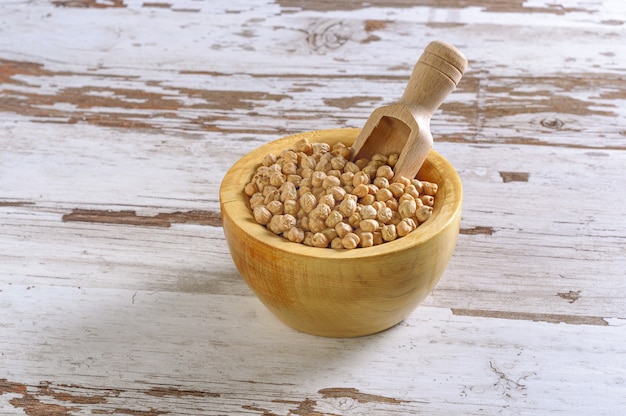
Known for their fiber content of about 7.6 grams per 100 grams, chickpeas are ideal for preparing hummus, chana masala, or adding to salads.
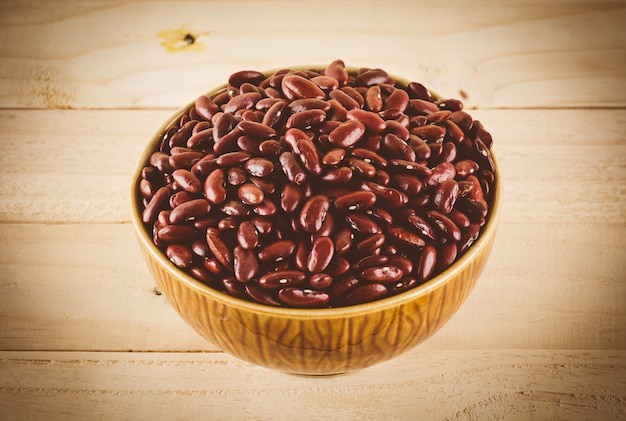
Offering around 6.4 grams of fiber per 100 grams, kidney beans are a hearty addition to stews and salads.
Fruits are not only delicious but also packed with fiber and vitamins. Incorporating a variety of fruits into your diet can support digestive health and overall well-being. Notable fiber-rich fruits include:
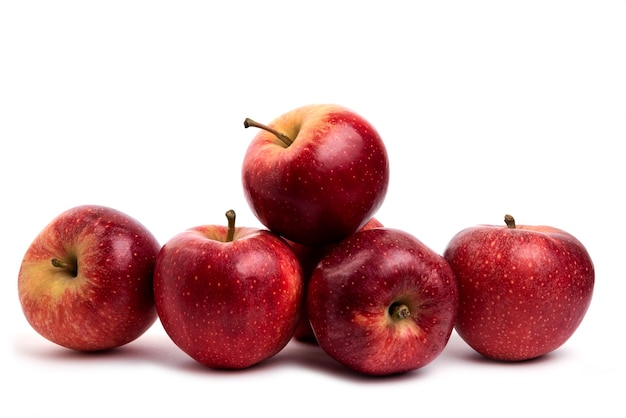
With about 2.4 grams of fiber per 100 grams, apples are a convenient snack that also provides essential vitamins and antioxidants. They can be enjoyed fresh or added to salads and desserts.
Offering approximately 2.6 grams of fiber per 100 grams, bananas are a great source of potassium and can be consumed as a snack or added to smoothies.

Pears contain around 3.1 grams of fiber per 100 grams and are excellent for promoting digestive health. They can be eaten fresh or used in various recipes.

Vegetables are crucial for a fiber-rich diet, providing essential nutrients and aiding in digestion. Incorporate the following vegetables into your meals:
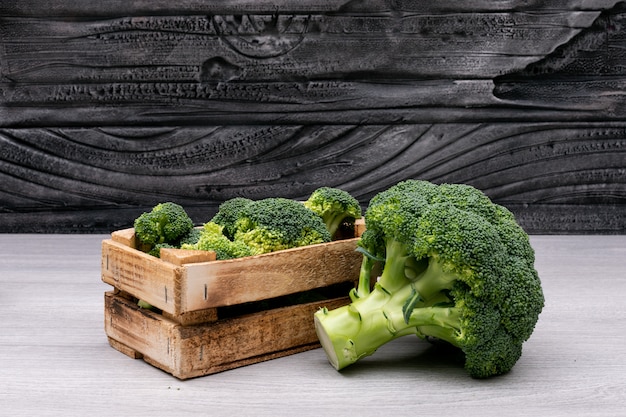
With approximately 2.6 grams of fiber per 100 grams, broccoli is a nutrient-dense vegetable that can be steamed, stir-fried, or added to salads.
Carrots offer around 2.8 grams of fiber per 100 grams and are versatile in both raw and cooked forms. They are great for snacking or adding to soups and stews.

This leafy green provides about 2.2 grams of fiber per 100 grams and is rich in vitamins and minerals. It can be used in salads, smoothies, or cooked dishes.

Nuts and seeds are concentrated sources of fiber and healthy fats. Including them in your diet can enhance your fiber intake and provide a range of health benefits. Key options include:
Offering approximately 34 grams of fiber per 100 grams, chia seeds are incredibly fiber-rich. They can be added to smoothies, yogurt, or used to make chia pudding.
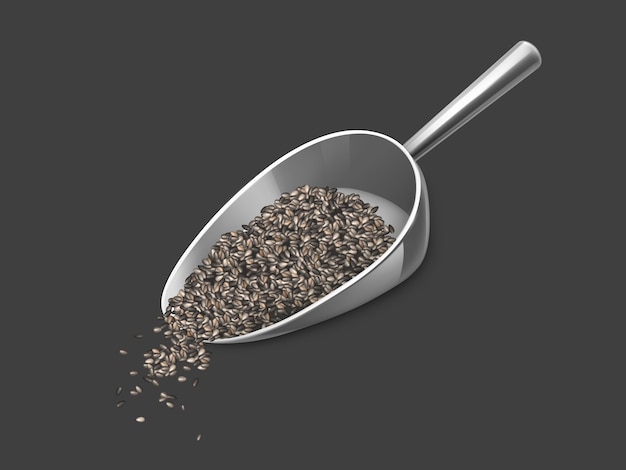
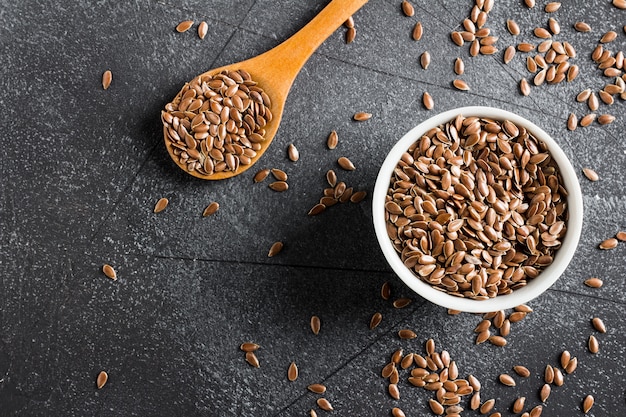
With about 27 grams of fiber per 100 grams, flaxseeds are an excellent source of fiber and omega-3 fatty acids. They can be ground and added to cereals, smoothies, or baked goods.
Almonds contain around 12 grams of fiber per 100 grams and are great for snacking or adding to salads and dishes. They also provide essential vitamins and minerals.

Tubers and root vegetables are not only fiber-rich but also provide a satisfying and filling addition to your diet. Key examples include:
Providing approximately 3 grams of fiber per 100 grams, sweet potatoes are versatile and can be baked, mashed, or used in soups and stews.

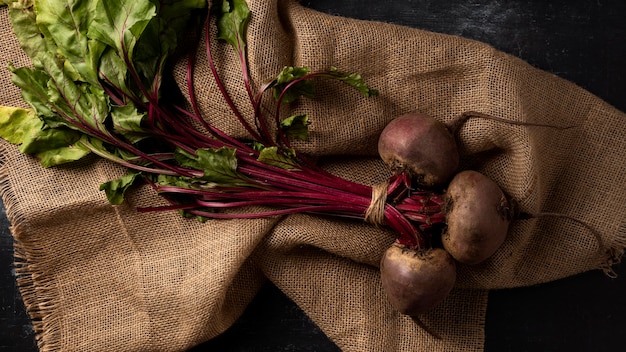
Beets offer around 2.8 grams of fiber per 100 grams and are rich in vitamins and minerals. They can be roasted, boiled, or added to salads.
Whole wheat products are a staple in many diets and provide a good amount of fiber. Opting for whole wheat versions can enhance your fiber intake. Key products include:
Containing about 6 grams of fiber per 100 grams, whole wheat bread is a healthier alternative to white bread and can be used for sandwiches and toast.

Offering around 5 grams of fiber per 100 grams, whole wheat pasta is a nutritious choice for a variety of dishes, including pasta salads and main courses.

Incorporating fiber-rich foods into your diet is essential for promoting digestive health, managing weight, and reducing the risk of chronic diseases. By including a variety of whole grains, legumes, fruits, vegetables, nuts, seeds, and whole wheat products, you can ensure that your diet is both nutritious and satisfying.
Fiber-rich foods are those that contain high amounts of dietary fiber, which aids in digestion and supports overall health.
Fiber helps regulate bowel movements, prevent constipation, and maintain a healthy digestive system.
Yes, fiber helps you feel full longer, reducing overall calorie intake and supporting weight management.
It is recommended to consume about 25-30 grams of fiber daily for optimal health.
Excessive fiber intake can lead to digestive discomfort, such as bloating and gas. It’s important to increase fiber intake gradually and drink plenty of water.