

Polycystic Ovary Syndrome (PCOS) is a condition that affects many women and can influence weight patterns, energy levels, and daily routines. While diet and lifestyle habits play a role in managing overall balance, physical activity is often considered an important part of a PCOS-friendly routine. Choosing the best exercises for PCOS does not mean intense workouts or strict fitness rules it focuses on consistency, comfort, and sustainability.
Many women with PCOS find that regular movement helps them feel more active and structured throughout the day. Exercise routines that combine gentle cardio, strength training, and flexibility can support daily energy levels and overall fitness.
This blog explores different types of exercises commonly recommended for women with PCOS. The focus is on simple, adaptable fitness strategies that can fit into everyday life. Individual needs may vary, so professional guidance is always recommended when starting any new exercise routine.
Exercise is a powerful tool for managing PCOS because it helps improve the body’s sensitivity to insulin, which is crucial for women suffering from insulin resistance a common condition in PCOS. Regular physical activity helps lower blood glucose levels, improve cardiovascular health, and promote weight loss. By reducing body fat, exercise helps decrease the level of androgens (male hormones) in the body, which are typically elevated in PCOS, thus alleviating symptoms like acne and excessive hair growth.
Walking is a low-impact exercise that can significantly boost insulin sensitivity without placing excessive strain on the joints. It is advisable for women with PCOS to aim for at least 150 minutes of moderate-intensity aerobic activity, such as brisk walking, each week.

Cycling is another effective aerobic exercise that not only improves insulin resistance but also boosts metabolism and burns calories. Whether on a stationary bike or outdoors, cycling can be easily adjusted to fit one’s fitness level.

Swimming and water aerobics offer a full-body workout that minimizes the risk of joint discomfort while effectively burning calories and improving insulin sensitivity. The buoyancy of water makes these exercises ideal for overweight individuals or those with joint issues.

Strength training, including weight lifting, is highly beneficial for women with PCOS. It helps build muscle mass, which in turn enhances metabolic rate and insulin sensitivity. Incorporating at least two sessions of strength training per week can lead to significant improvements in PCOS symptoms.

Exercises using resistance bands offer versatility and a range of difficulty levels to suit beginners through to advanced users. They help tone muscles, increase strength, and can be particularly effective in targeting and reducing abdominal fat a common problem area for PCOS sufferers.

Pilates focuses on core strength, flexibility, and overall body awareness, which is great for PCOS management. It enhances muscle tone, balances hormonal levels, and improves mental health.
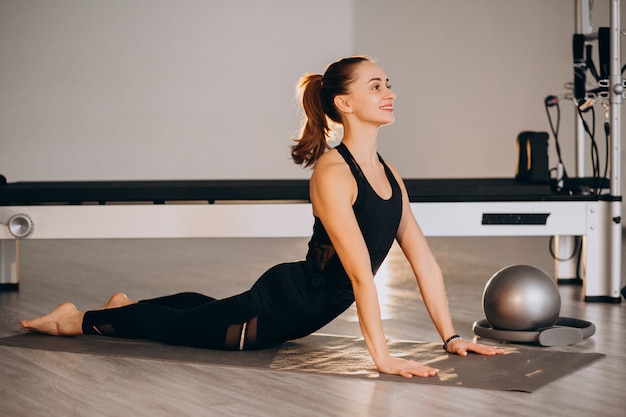
Yoga is not just a flexibility exercise; it is a holistic approach to physical and mental health. Yoga helps reduce stress levels, which is important because stress can exacerbate PCOS symptoms. It also aids in weight management, improves muscle tone, and regulates hormonal balance through various poses and breathing techniques.

Establishing a consistent exercise routine is crucial for long-term management of PCOS. Here are some tips to maintain an active lifestyle:
The Best Exercise for PCOS plays a crucial role in managing the condition effectively. A balanced routine combining cardiovascular workouts, strength training, and flexibility exercises can significantly alleviate PCOS symptoms by enhancing insulin sensitivity, promoting weight loss, and stabilizing hormones. Regularly incorporating these activities into daily life allows women with PCOS to achieve a healthier and more balanced lifestyle. Success hinges on maintaining consistency and dedication to your exercise regimen.
Cardiovascular and strength training exercises are highly effective for managing insulin resistance and reducing PCOS symptoms.
Aim for at least 30 minutes of moderate-intensity exercise most days of the week.
Yes, regular physical activity helps burn calories, improves metabolism, and supports weight loss, which is beneficial for PCOS management.
Yes, exercise can help with weight loss, which can improve PCOS symptoms
It’s advisable to consult with a healthcare provider or a fitness expert to create a personalized exercise plan that considers your specific symptoms and fitness level.