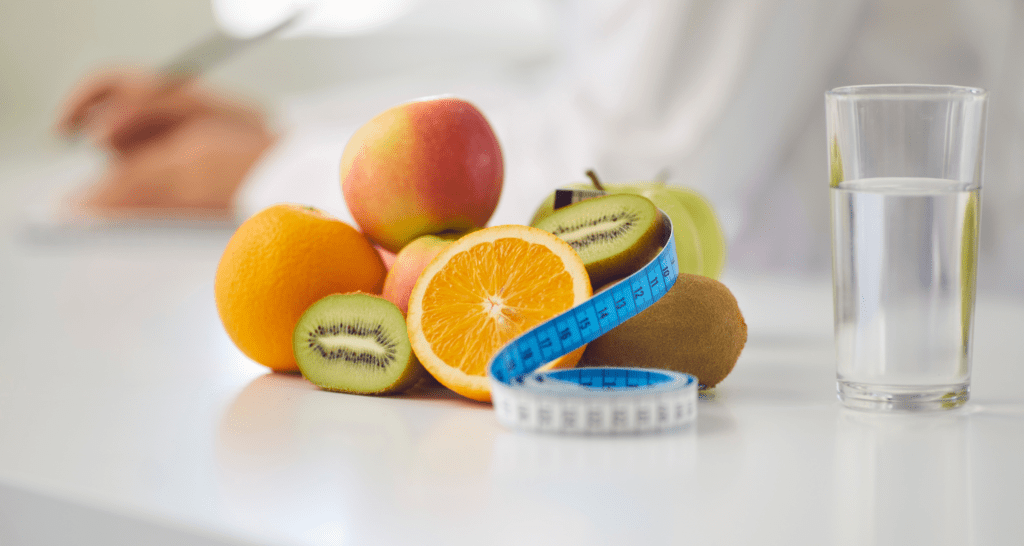
Is A Fruit Diet For Weight Loss In 7 Days Effective And Sustainable?
Embarking on a weight loss journey often leads to the exploration of various diet plans, one of which is the fruit diet. A fruit diet for weight loss in 7 days promises a natural and nutritious path to shedding unwanted pounds. Fruits, known for their high fiber, water content, and essential nutrients, can help you feel fuller longer, curb appetite, and boost metabolism. This diet plan focuses on the consumption of a variety of fruits, ensuring your body receives a spectrum of vitamins and minerals. But, how effective and sustainable is this diet for weight loss? Let’s delve into the components, benefits, and considerations of a fruit-based diet.
What Is A Fruit Diet?
At its core, a fruit diet revolves around consuming fruits, vegetables, nuts, seeds, and other plant-based foods, significantly reducing or eliminating processed foods and animal products. This diet emphasizes the inclusion of fruits and vegetables in meals and snacks, aiming for a natural, low-calorie intake rich in dietary fiber, vitamins, and antioxidants. Some fruit diet variations might also incorporate nuts, seeds, and whole grains to provide additional nutrients and enhance satiety.
Who Can Take A Fruit Diet For Weight Loss In 7 Days?
While a fruit diet is generally safe for most individuals, including children and pregnant women (with medical consultation), it’s not suitable for everyone. Those with conditions like diabetes or kidney disease must approach this diet cautiously due to fruits’ natural sugar and potassium content. It’s crucial to consult healthcare professionals before making significant dietary changes, especially if you’re on medication or have specific health concerns.
Different Types Of Fruit Diets
The fruit diet isn’t one-size-fits-all; there are various plans tailored to individual preferences and goals:
The Watermelon Diet: This diet emphasizes eating watermelon as a primary food source. Watermelon is low in calories and high in water content, making it excellent for hydration and satiety. It’s perfect for short-term detox and weight loss.
The Apple Diet: Apples are at the heart of this diet, known for their fiber content and ability to promote fullness. This diet is based on the idea that eating an apple before each meal can reduce overall calorie intake.
The Banana Diet: Bananas are the staple of this diet, valued for their potassium and energy-boosting nutrients. This diet often includes consuming bananas with room-temperature water as a method for improving metabolism and supporting weight loss.
The Papaya Diet: Focusing on papaya, this diet takes advantage of the fruit’s digestive enzymes and fiber content to aid in digestion and promote a feeling of fullness, which can be helpful for weight management.
The Citrus Diet: This diet includes a variety of citrus fruits, such as oranges, grapefruits, and lemons. Citrus fruits are rich in vitamin C and fiber, supporting immunity and digestive health while aiding weight loss.
The Berry Diet: Berries like strawberries, blueberries, and raspberries are central to this diet. Berries are low in calories but high in antioxidants, fiber, and vitamins, making them an ideal choice for a nutritious weight loss plan.
How Does A Fruit Diet Work For Weight Loss?
A fruit diet aids weight loss through several mechanisms:
Low-Calorie, High Volume: Fruits offer a satisfying volume with fewer calories, making it easier to reduce overall calorie intake without feeling hungry.
Rich In Fiber: The high fiber content in fruits helps increase satiety, reduce appetite, and support healthy digestion.
Nutrient Density: Fruits are packed with essential vitamins, minerals, and antioxidants, supporting overall health while on a calorie-restricted diet.
Natural Sugars With Fiber: The fiber in fruits slows down the absorption of their natural sugars, stabilizing blood sugar levels and controlling cravings.
Hydration Boost: Many fruits have a high water content, contributing to hydration and helping to reduce hunger.
Healthy Snacking Alternative: Fruits are a nutritious and low-calorie option for snacks, helping to avoid unhealthy snacking on high-calorie foods.
Variety For Balanced Nutrition: Consuming a variety of fruits ensures a wide range of nutrients, supporting a balanced diet and overall well-being.
Metabolism Support: Certain fruits contain compounds that may boost metabolism, aiding in more effective weight loss.
Incorporating A Fruit Diet For 7 Days
To effectively incorporate a fruit diet, start your day with a fruit-based breakfast, such as a smoothie or fruit salad. Include fruits in your meals, use them as snacks, and opt for whole fruits over fruit juices to maximize fiber intake. Experiment with various fruits to ensure a wide range of nutrients and opt for fruits with low glycemic indices to manage blood sugar levels.
Best Fruit for Weight Loss
Grapefruit: A metabolic booster that curbs hunger, making it a top choice for weight loss.
Berries (Strawberries, Blueberries, Raspberries): These berries are fiber-rich, low in calories, making them ideal for weight loss without sacrificing sweetness.
Apples: A great source of fiber that promotes satiety, helping to lower overall calorie consumption.
Pears: With their high fiber content, pears keep you full longer, aiding in weight management.
Watermelon: Its high water content and low calorie count help you feel full, preventing overeating.
Kiwi: Rich in fiber and vitamin C, kiwi enhances digestion and boosts metabolism.
Oranges: Their high fiber and water content, coupled with low calories, ensure you stay full and satisfied.
Papaya: Contains digestion-supporting enzymes, reducing bloating and promoting a flat tummy.
Fruits to Be Avoided While Trying to Lose Weight
Bananas: Though nutritious, they are slightly higher in calories and sugar, requiring moderation.
Grapes: Their high sugar content can lead to easy overconsumption, inadvertently increasing calorie intake.
Mangoes: Delicious but high in sugar and calories, mangoes should be enjoyed sparingly.
Cherries: With a high sugar level, cherries can quickly contribute to a calorie surplus.
Dried Fruits: They are calorie-dense and higher in sugar than their fresh counterparts, making them less ideal for weight loss.
Lychees: Despite their nutritional value, the high sugar content in lychees can lead to rapid calorie accumulation.
Nutrient Rich: Fruits are packed with essential vitamins, minerals, and antioxidants that support overall health and well-being.
Weight Management: The low-calorie yet high-volume nature of fruits helps in reducing weight by promoting a feeling of fullness.
Digestive Health: High fiber content in fruits aids digestion, prevents constipation, and promotes a healthy gut microbiome.
Disease Prevention: Regular consumption of fruits is linked to a lower risk of chronic diseases like heart disease and cancer due to their antioxidant properties.
Hydration: Fruits with high water content, such as watermelon and oranges, contribute to daily hydration needs, supporting overall health.
Is A Fruit-Based Diet Safe For Everyone?
A fruit-based diet, while suitable for some, may not be appropriate for everyone according to NCBI studies.
Fruits offer essential nutrients like vitamins, minerals, fiber, and antioxidants but shouldn’t be the only dietary source long-term.
Such diets risk nutrient deficiencies in protein, iron, calcium, and vitamin B12, crucial for health.
High fruit consumption can elevate natural sugar levels, potentially leading to blood sugar spikes and related health issues, including insulin resistance and diabetes.
People with health conditions (e.g., diabetes, insulin resistance, kidney disease) should moderate fruit intake or prefer low-sugar options and might be advised against a strict fruit diet.
Pregnant or breastfeeding women need professional advice before starting a fruitarian diet due to increased nutritional requirements.
To meet all nutritional needs on a fruit-based diet, supplementation or the inclusion of other nutrient-rich foods might be necessary.
Risk Factors of a Fruit Diet
Natural Sugars: While fruits contain natural sugars, excessive intake can lead to energy spikes and crashes, potentially complicating blood sugar management.
Gastrointestinal Issues: The high fiber content in fruits may lead to bloating, gas, or diarrhea, particularly for those not accustomed to a fiber-rich diet.
Nutrient Imbalance: Focusing too heavily on fruits can cause a deficiency in essential nutrients such as proteins, fats, and certain vitamins and minerals, impacting overall health.
Dental Concerns: Acidic fruits and natural sugars can erode tooth enamel over time, leading to dental decay if oral hygiene is not meticulously maintained.
Conclusion
A fruit diet for weight loss in 7 days can be a nutritious and effective approach to shedding pounds, provided it’s balanced and not extended beyond a short-term period. It’s crucial to incorporate a variety of fruits and complement them with other healthy food groups to ensure a balanced intake of all essential nutrients. Always consult with a healthcare professional before starting any new diet, especially if you have existing health condition
FAQs – Fruit Diet for Weight Loss in 7 Days
What is a fruit diet for weight loss in 7 days?
It is a short-term diet plan that focuses mainly on fruits to reduce calorie intake while increasing fiber, hydration, and nutrient intake.
Does a fruit diet really help with weight loss?
Yes, it can support short-term weight loss due to low calories and high fiber, but results may vary by individual.
Is a fruit diet safe for everyone?
No, people with diabetes, kidney issues, or blood sugar concerns should consult a healthcare professional before starting.
Which fruits are best for weight loss?
Grapefruit, berries, apples, pears, watermelon, kiwi, oranges, and papaya are ideal for weight loss.
Which fruits should be avoided during weight loss?
High-sugar fruits like mangoes, grapes, bananas (in excess), dried fruits, and lychees should be consumed in moderation.